An Eagle Scout project is a chance to leave something lasting in your community. If you care about clean water, the Upper Etowah watershed has plenty of work that makes a real difference, and much of it can be planned, led, and finished by a Scout and a team of volunteers.
What makes a good watershed project
The best projects solve a real problem at a specific place. Before you pick an idea, ask:
- Where is the problem? An eroding creek bank, a trash hotspot, a storm drain that empties straight into a stream.
- Who owns the land? You’ll need permission from the property owner, school, church, park, or local government.
- Will it last? Projects that keep working after you finish, like plantings, signs, or erosion control, have the biggest impact.
Project ideas
Streamside buffer planting
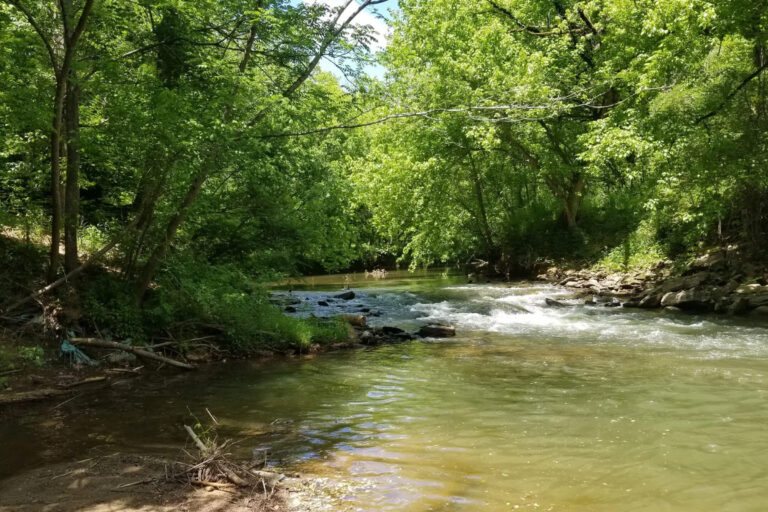
Native trees and shrubs along a creek hold the bank in place, shade the water, and filter runoff before it reaches the stream. A planting project involves choosing native species, preparing the site, organizing a planting day, and planning how the plants will be watered and protected while they get established. The Georgia Native Plant Society is a good place to research which plants suit your site. Learn why stream buffers matter.
Invasive plant removal
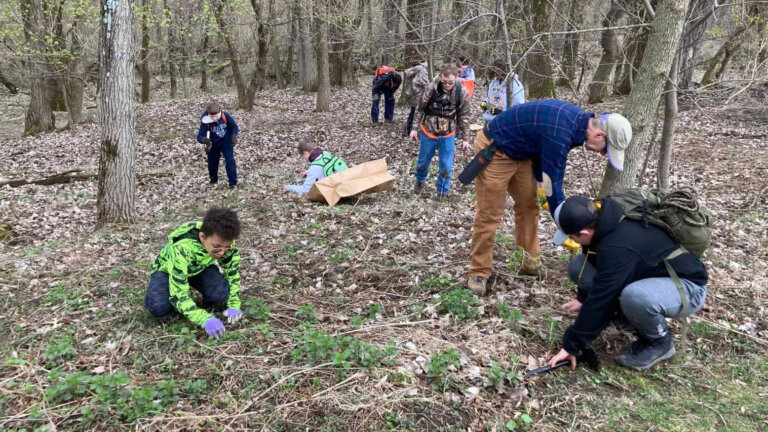
Invasive plants such as Chinese privet and kudzu crowd out the native plants that keep stream banks stable. Clearing a section of bank, then replanting it with natives, makes a strong two-part project. The Georgia Invasive Species Task Force has identification guides and removal tips.
Storm-drain marking
Many people don’t realize that storm drains flow straight to local creeks, untreated. Marking drains with “Drains to Stream” labels, along with a door-hanger or flyer campaign, reaches a whole neighborhood. Local governments usually manage storm drains, so plan on getting their approval first. The EPA explains how runoff from neighborhoods pollutes streams.
Stream cleanup
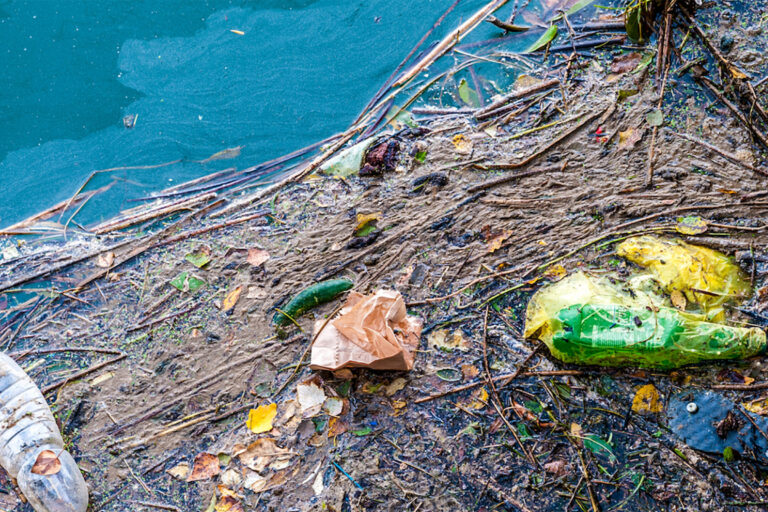
Organizing a cleanup of a creek or riverbank, including recruiting volunteers, arranging safety gear and trash pickup, and recording what you remove, shows people how much litter ends up in the water.
Stream monitoring
Setting up a volunteer water-quality monitoring site, with training, a schedule, and a way to share results, gives the community long-term data about a creek’s health. Georgia Adopt-A-Stream offers training, certification, and a statewide database for volunteer monitoring.
Educational signs or a kiosk
A sign at a trailhead or park explaining the local watershed, wildlife, or how to prevent pollution keeps teaching visitors long after the project is done.
Erosion control on trails
Trails near streams can turn into channels that send mud into the water. Water bars, drainage dips, and rerouting a short section of trail are hands-on projects with visible results.
How to get started
- Talk to your unit leader about the requirements, and download the Eagle Scout Service Project Workbook.
- Contact UERA. We can help you find a site and an idea that fits, and connect you with people who know the area.
- Get permission from the landowner or managing agency, in writing.
- Get your proposal approved by your unit and the Atlanta Area Council (or your own council) before any work begins.
- Plan for safety, especially for any work near water.
Ready to make a difference for the Upper Etowah? Get in touch to talk through your project idea, or see our other volunteer opportunities.