Before Congress passed the Clean Water Act in 1972, factories and city sewer systems routinely piped raw sewage, toxic chemicals and heavy metals straight into America’s rivers and lakes. Today, strict permits control those “point sources,” and many rivers are dramatically cleaner as a result.
But the biggest threat to our water now comes from somewhere much harder to pin down. According to the U.S. Environmental Protection Agency, nonpoint source pollution is the leading cause of water quality problems in the country. And it’s the biggest challenge facing the Upper Etowah River.
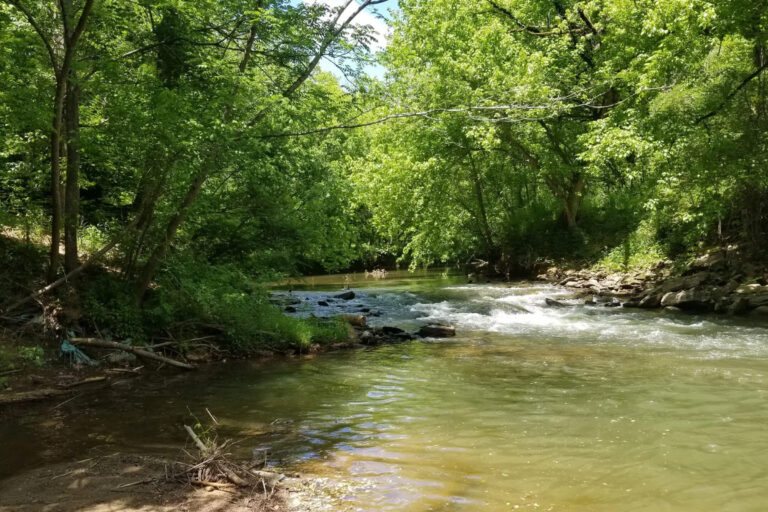
The Upper Etowah watershed covers about 610 square miles across Lumpkin, Dawson, Pickens, Forsyth and Cherokee counties. As the region grows, the way we use that land is changing what ends up in our streams.
What is nonpoint source pollution?
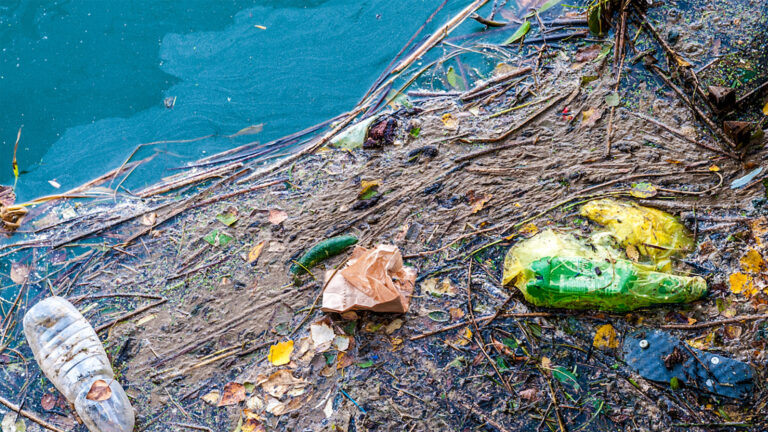
Nonpoint source pollution doesn’t come from a single pipe or plant. It starts when rain falls. As stormwater runs off rooftops, parking lots, roads, pastures and construction sites, it picks up whatever is on the ground and carries it into the nearest creek. From there, it flows into the Etowah River through tributaries like Shoal, Amicalola and Long Swamp creeks.
The most common pollutants in our streams include:
- Sediment: Soil washed off construction sites, eroding stream banks and cleared land. It clouds the water and smothers stream-bottom habitat.
- Bacteria: From livestock, pet waste and failing septic systems.
- Nutrients: Excess fertilizer and manure, which feed algae and use up the oxygen fish need.
- Chemicals from roads: Oil, grease, heavy metals and other residues washed off pavement.
- Pesticides and herbicides: From lawns, gardens and farmland.
Because this pollution comes from thousands of small sources spread across five counties, it’s hard to trace any one problem back to where it started.
Why it’s so hard to regulate
Under the Clean Water Act, factories and wastewater plants need permits that limit exactly what they can discharge. Runoff from a neighborhood, a pasture or a road doesn’t fit that system, so it is largely left to state and local governments.
In Georgia, the Environmental Protection Division (EPD) and local governments encourage “best management practices” like stream buffers and stormwater ponds. Some, like construction erosion controls and stream buffers, are required by law. Many others are voluntary. That’s why local stormwater rules, and people who speak up for them, matter so much.
The toll on the Etowah
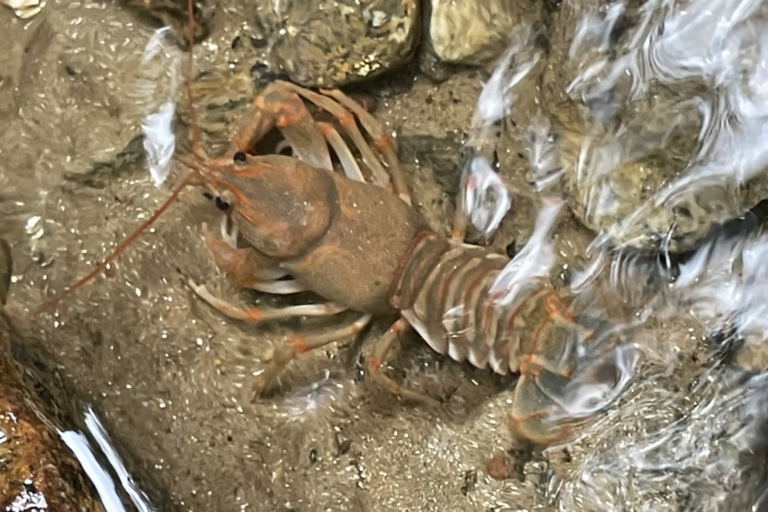
The Etowah is one of the most biologically rich river systems in North America, home to fish found nowhere else on Earth, including the endangered Etowah darter. It’s also one of the most threatened. Runoff is the main reason.
Bacteria in our streams. Several streams in the Etowah system are on Georgia EPD’s list of impaired waters because of high bacteria levels, linked to livestock in streams, pet waste and failing septic systems.
Mud where fish need gravel. Sediment clouds the water and buries the clean, rocky stream beds where rare fish lay their eggs. It also makes drinking water harder and more expensive to treat.
Faster, muddier floods. As forests give way to pavement and rooftops, rain can’t soak into the ground. Instead, it rushes into streams all at once, eroding banks, scouring channels and carrying even more sediment downstream.
What’s being done
Conservation groups, local governments and state agencies are working together, often with support from Section 319 grants under the Clean Water Act. Projects across the region:
- Restore streamside buffers and stabilize eroding banks
- Help farmers manage nutrients and fence livestock out of streams
- Encourage low-impact development and better stormwater management in fast-growing counties
As North Georgia keeps growing and storms become more intense, managing runoff will only become more important. Protecting the Etowah, from its headwaters in Lumpkin County to Lake Allatoona, takes good local policy, landowners who care, and steady scientific monitoring.
What you can do
Nonpoint source pollution comes from all of us, which means all of us can help:
- Pick up after your pets. Pet waste is a major source of bacteria.
- Use less fertilizer, and never apply it before a forecast rain.
- Maintain your septic system. Have it inspected and pumped every three to five years.
- Keep streamside plants in place. Stream buffers are one of the best filters we have.
- Only rain down the drain. Storm drains flow straight to our creeks, untreated.
- Report problems. If you see muddy water pouring off a construction site or something being dumped, report it.
Help us keep watch
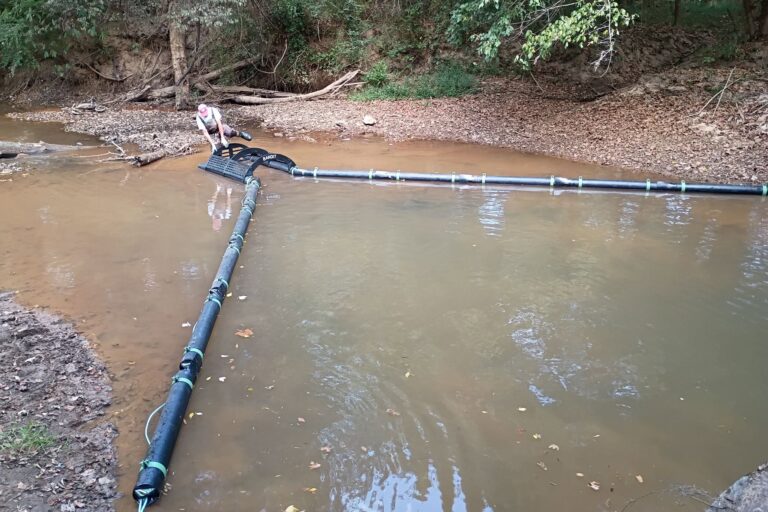
Because runoff changes with every storm, the best defense is data. UERA’s trained volunteers regularly test streams across the Upper Etowah for bacteria and water chemistry, helping spot problems early and track whether our streams are getting healthier.
Learn about our water monitoring program or volunteer with us to become a stream monitor.