The Vibrant, Endangered Darters of North Georgia
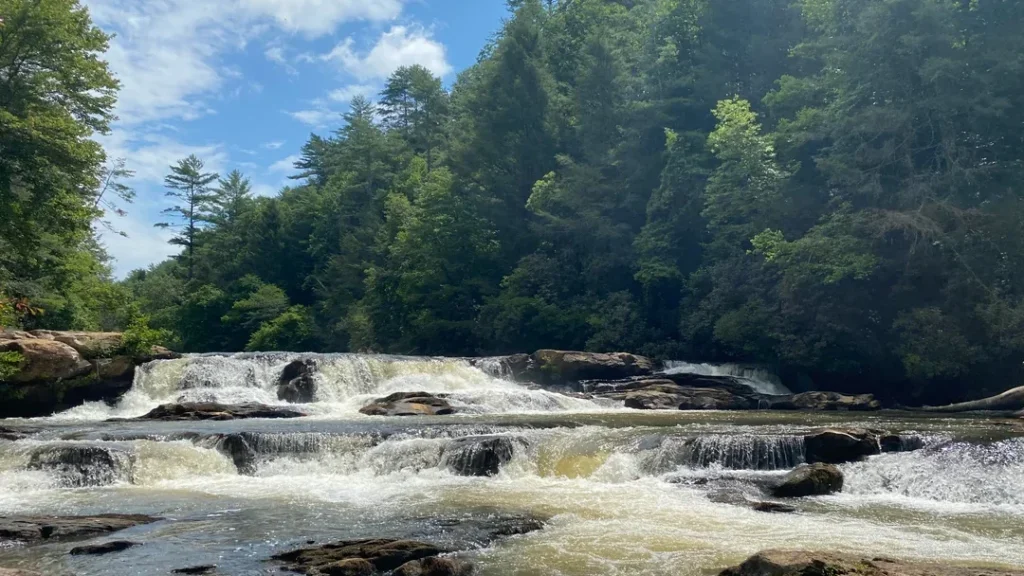
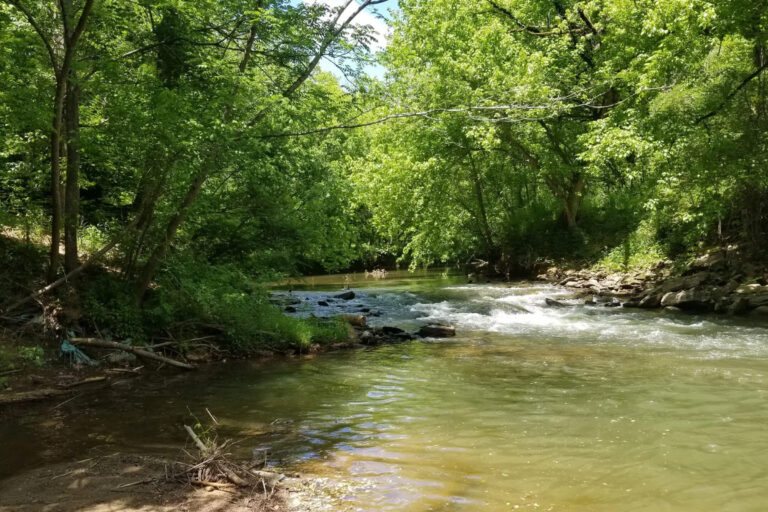
Beneath the cool, rushing waters of the Etowah River basin in north Georgia lies a hidden underwater world—one inhabited by some of the most striking and fragile freshwater creatures in North America. Known as darters, these small, colorful fish are master navigators of fast-flowing streams. Despite their vivid colors and distinct personalities, many of these species are fighting for survival against habitat loss and human development.
Meet the Key Darters of the Upper Etowah
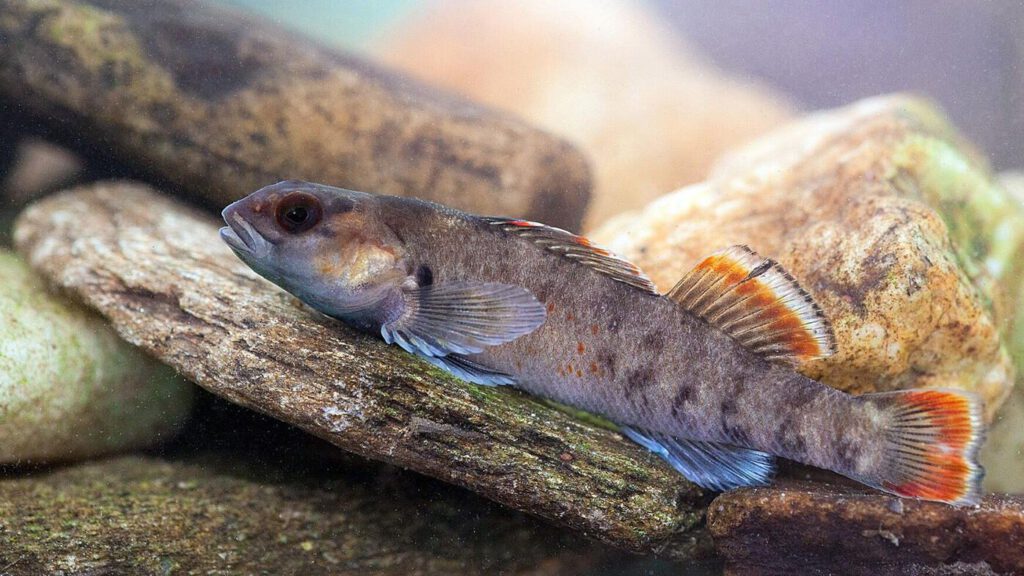
Darters are named for their rapid, darting movements along stream bottoms. Because they lack swim bladders, they spend most of their time perched on clean gravel or hiding behind rocky cobble. Here are four species that call the Etowah River home:
- Etowah Darter (Nothonotus etowahae / Etheostoma etowahae)
- Status: Federally Endangered
- Size: Up to 2.2 inches
- Characteristics: Features a brownish-olive body accentuated by a soft bluish-green wash.
- Habitat: Strictly prefers clear, shallow, fast-flowing riffles lined with clean gravel and cobble.
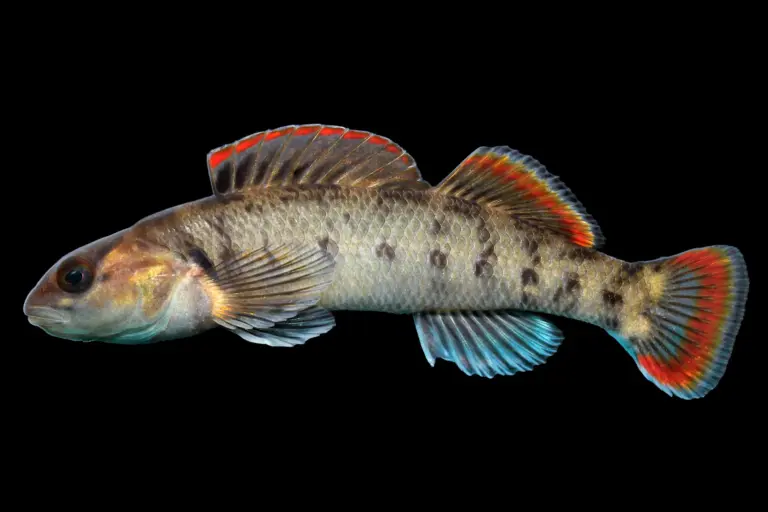
- Cherokee Darter (Etheostoma scotti)
- Status: Threatened under the Endangered Species Act
- Size: 1 to 2 inches
- Characteristics: Found nowhere else on Earth outside the Etowah River basin. Breeding males exhibit vibrant red and green pigmentation across their fins.
- Habitat: Small-to-medium rocky streams.
- Amber Darter (Percina antesella)
- Status: Endangered
- Size: Up to 3 inches
- Characteristics: A slender darter marked by a distinct teardrop shape beneath each eye and dark saddles across its back.
- Habitat: Swift riffles and runs within both the Etowah and Conasauga river systems.
- Etowah Bridled Darter (Percina freemanorum)
- Status: Highest Conservation Concern
- Characteristics: A rare species that relies on clear creeks and small rivers throughout the basin.
- Habitat: Flowing pools and gravelly runs.
Why Are These Fishes in Danger?
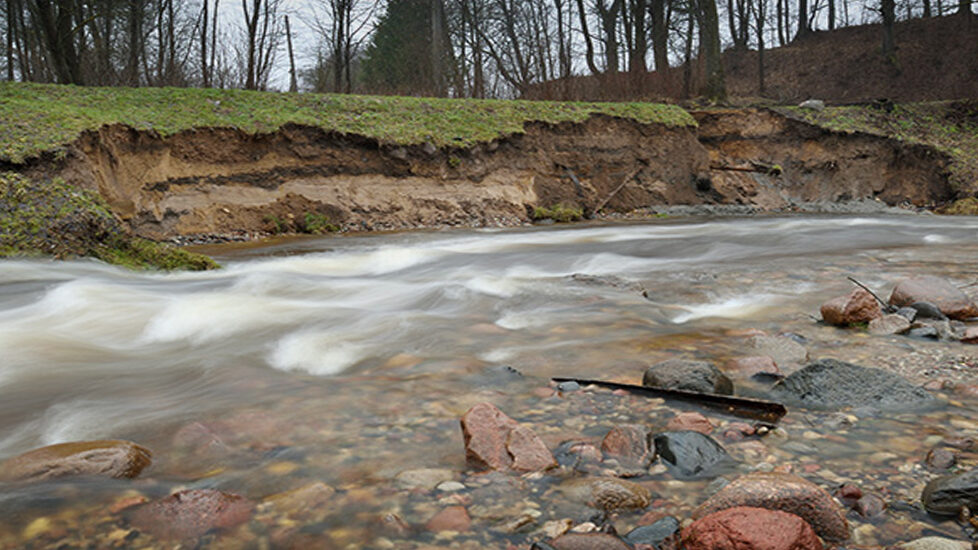
Because darters rely on exceptionally clean water and open spaces between riverbed gravel to lay eggs and forage for food, even small changes to their environment can decimate local populations.
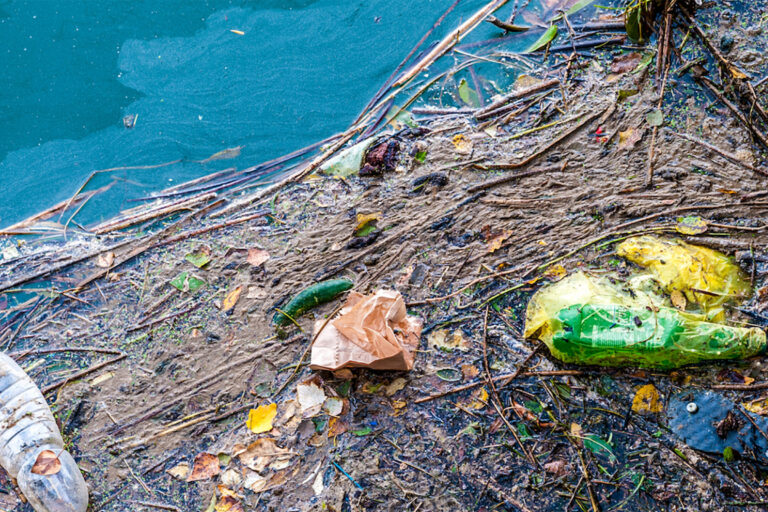
- Sedimentation and Habitat Loss: As north Georgia experiences urban growth and residential development, land clearing leads to silt and sediment runoff. Excess silt acts like concrete—it fills the crevices between gravel and cobble, choking out spawning sites and smothering micro-habitats.
- Population Fragmentation: Impoundments such as reservoirs—most notably Lake Allatoona—alter natural water flow dynamics, lower water temperatures downstream, and physically isolate darter populations, preventing genetic exchange across the basin.
Protecting the Etowah Watershed
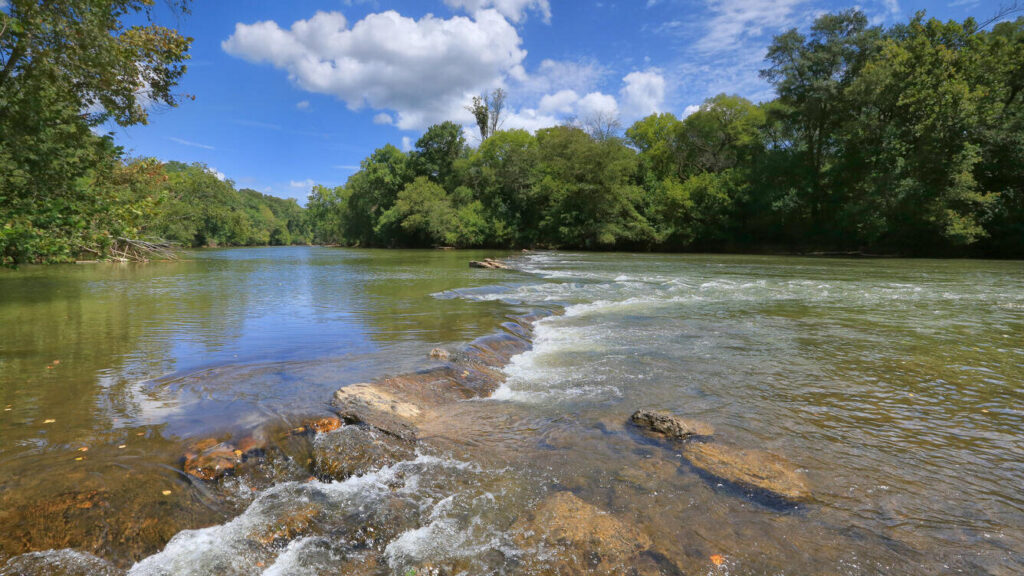
Preserving these native species requires proactive watershed protection. Conservationists and regional planning bodies focus on three main safeguards:
- Maintaining Forested Buffers: Leaving natural tree and plant borders along riverbanks traps runoff before silt enters the stream.
- Erosion and Sediment Control: Enforcing strict construction site controls keeps loose soil out of sensitive waterways.
- Preserving Natural Flow Regimes: Protecting natural water movement and temperature profiles ensures the upper Etowah remains a haven for endemic wildlife.