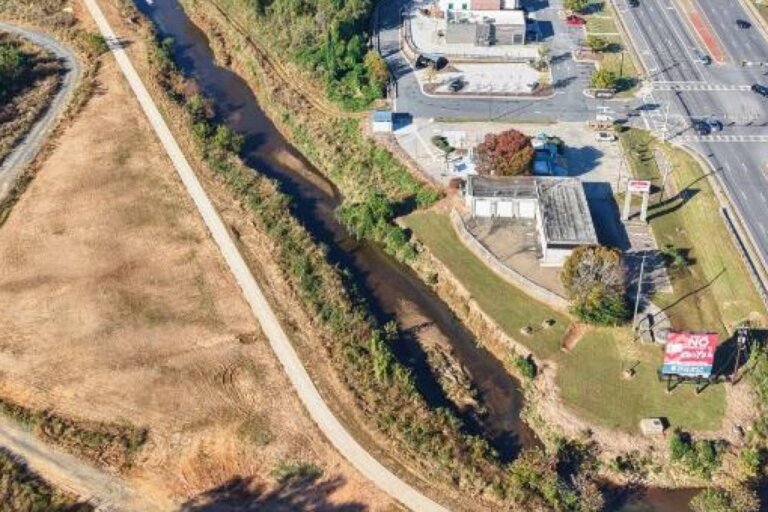
Small waterways often get overlooked, but they carry a surprising amount of litter downstream. Today marks a major step forward for local water quality in Canton, GA, as a new Bandalong Bandit litter trap is installed right in the waters of Canton Creek.
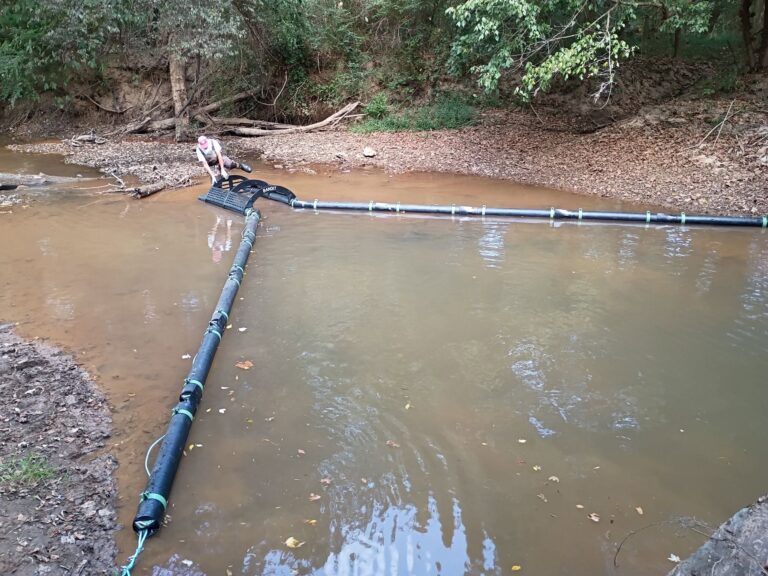
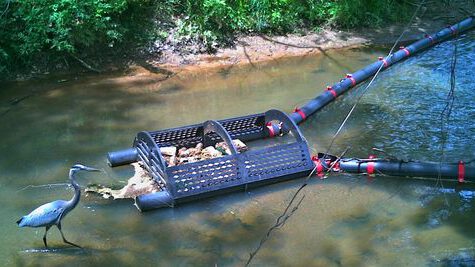
On October 6, 2026, a new Bandalong Bandit litter trap was installed in Canton Creek in Canton, GA, thanks to StormWaterSystems. It’s a small piece of equipment with a big job: catching floating trash before it reaches the Etowah River.
Why Start With Small Creeks?
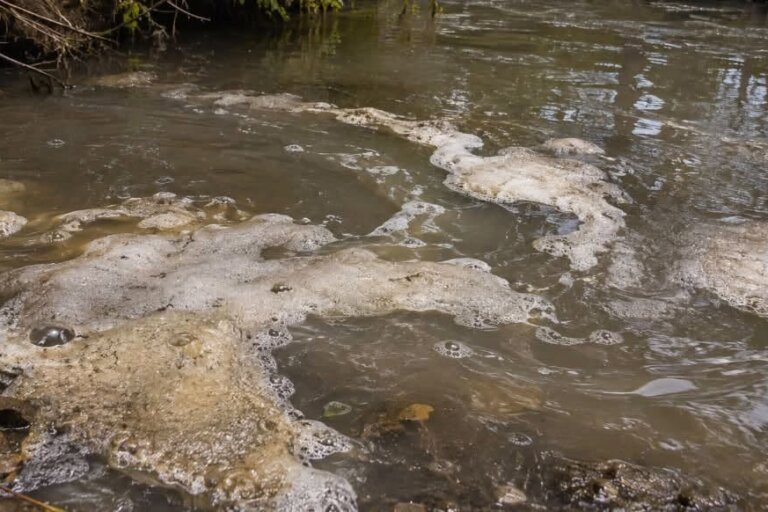
Larger rivers get most of the attention, but much of the litter in them starts upstream. Storm drains, parking lots, and roadsides wash bottles, cans, and plastic into small tributaries like Canton Creek, and those tributaries carry it straight to the river.
Traditional trash traps are often too large or intrusive for narrow streams. The Bandit is built for waterways about 25 feet wide or less:
- Compact and lightweight: The frame fits in the bed of a pickup truck, and installation doesn’t require heavy equipment.
- Works with the current: The trap has no motors or moving parts. The creek’s natural flow guides floating debris into it.
- Built to last: All-welded construction holds up to rising water and storm flows while keeping trapped debris contained.
- Easy to maintain: Crews and volunteers can reach it easily to empty it and check for snags.
What Happens to the Trash?
UERA volunteers and the City of Canton will clear the trap every few weeks and after major storms. Each cleanout also tells us what kinds of litter are entering the creek, which helps us focus our trash removal and education work where it matters most.
Every Clean Creek Leads to a Cleaner River
Catching debris high in the watershed keeps it out of wildlife habitat, protects rare species like the Etowah crayfish and darters, and means cleaner water for everyone downstream.
The trap is only part of the solution. The best trash is the trash that never reaches the creek. You can help by joining a cleanup, keeping storm drains clear, and reporting litter or dumping you spot on local waterways.
Want to learn more about how litter traps work? Visit StormWaterSystems.